
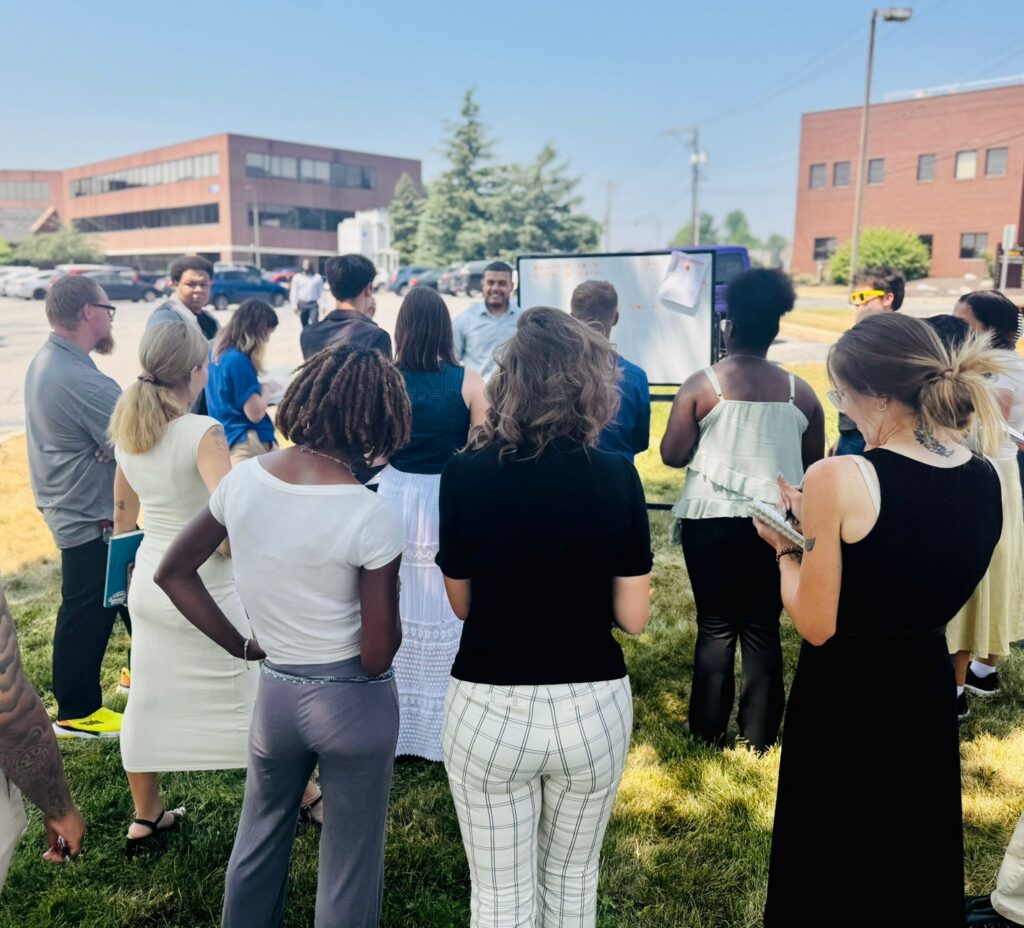
In-person outreach continues to offer a level of authenticity and human connection that online methods often struggle to match. However, face-to-face engagement yields strong outcomes only when carefully planned, executed, and measured. This is where marketing campaign management matters, especially in a time when digital channels dominate most conversations.
When applied and executed effectively, it has the ability to transform in-person outreach from a series of disconnected interactions into one cohesive strategy that builds trust, strengthens brand presence, and generates quantifiable results.
Key Takeaways
- Structured campaigns bring clarity to in-person outreach efforts.
- Consistency improves trust and strengthens customer interactions.
- Clear metrics turn face-to-face engagement into measured results.
- Campaign structure supports training, feedback, and team alignment.
- Strong management balances technology with authentic connections.
What Is Campaign Management?
Campaign management is the process of planning and organizing marketing efforts around a clear goal. Instead of treating each outreach effort as separate, it brings structure to how teams communicate, engage, and follow up with potential customers.
When it comes to in-person outreach, campaign management helps teams understand who they are talking to, what message to give, and what outcome they are working toward. This clarity makes interactions more focused and consistent without making them feel scripted.
Why In-Person Outreach Still Matters
Despite the rise of automation and digital advertising, people still value personal interactions. Face-to-face conversations allow for real-time feedback, emotional connection, and nuanced communication that cannot be fully replicated through screens. In-person outreach also cuts through digital fatigue, offering customers a refreshing change from constant online messaging.
However, depending solely on personal interaction without a strategic framework can limit scalability and consistency. Without clear goals, defined messaging, and performance tracking, even the most engaging in-person efforts can fall short.
The Role of Strategy in In-Person Campaigns
Every effective in-person campaign begins with a well-defined strategy. This includes identifying the target audience, understanding their needs, and clarifying what success looks like. Strategic planning ensures that outreach efforts are intentional rather than reactive.
Campaign strategy should also account for timing, location, and context. Different environments require different approaches, and campaign managers must consider factors like audience demographics, local market conditions, and competitive presence.
A strong strategy aligns these elements into a unified plan that guides every interaction.
Aligning Teams Around a Shared Vision
In marketing, field representatives, team leaders, and campaign managers must share an internal, common understanding of goals, messaging, and expectations. Without alignment, even well-designed campaigns can become fragmented. Effective marketing campaign management emphasizes communication and training.
Teams should understand not only what they are doing, but why they are doing it. This empowers representatives to adapt naturally while staying consistent with the brand message. Regular briefings, feedback loops, and performance reviews help reinforce alignment.
Creating Consistent Messaging Without Losing Authenticity
Rigid scripts can make interactions feel forced. Successful in-person campaigns strike a balance between structured messaging and authentic conversation. Campaign managers play a key role in defining core talking points while allowing flexibility in delivery.
Instead of memorized scripts, teams benefit from message frameworks that outline key ideas, benefits, and objections. Such an approach ensures consistency while giving representatives the freedom to connect naturally with each individual.
Using Data to Strengthen In-Person Outreach
Data is often associated with digital marketing, but it is equally valuable for in-person campaigns. Tracking performance metrics allows teams to identify what works, what needs improvement, and where resources should be allocated.
Relevant data points may include conversion rates, engagement quality, customer feedback, and geographic performance. When properly collected and analyzed, this information informs smarter decisions and ongoing optimization. Marketing campaign management provides the systems needed to gather insights and turn them into actionable improvements.
Improving Accountability and Performance Tracking
In-person outreach can be difficult to measure without clear accountability structures. Campaign management introduces defined roles, responsibilities, and benchmarks that make performance transparent. Clear reporting processes help teams understand expectations and progress.
This transparency fosters accountability while also supporting professional development. Sales and marketing representatives can see how their efforts contribute to the overall campaign goals, which boosts motivation and consistency in performance.
Adapting Campaigns in Real Time
One advantage of in-person outreach is the ability to adapt quickly. Conversations offer immediate feedback that can reveal objections, concerns, or opportunities. Effective campaign management ensures this feedback is captured and acted upon.
When teams are encouraged to share insights from the field, campaign leaders can adjust messaging, targeting, or tactics in real time. This agility keeps campaigns relevant and responsive to audience needs, rather than locked into outdated assumptions.
Enhancing the Customer Experience Through Planning
A positive customer experience does not happen by accident. It is the outcome of thoughtful planning, clear communication, and respectful engagement. In-person outreach entails careful consideration of how customers feel during each interaction.
Campaign management supports customer experience by setting standards for professionalism, tone, and follow-up. When representatives understand how to approach conversations with empathy and clarity, interactions feel more valuable and less intrusive. This approach strengthens brand perception and encourages long-term relationships.
Integrating In-Person and Digital Channels
In-person outreach does not exist in isolation. The most effective campaigns integrate face-to-face interactions with digital touchpoints such as email, social media, and online content. This creates a seamless customer journey that reinforces messaging across channels.
Strong campaign management ensures integration is intentional rather than fragmented. Teams can coordinate messaging, timing, and follow-up actions to support in-person conversations with digital reinforcement. This amplifies impact and improves overall campaign effectiveness.
Training and Development as Campaign Foundations
People drive in-person outreach, making training a foundational element of success. Campaign management frameworks often include structured onboarding, ongoing coaching, and skill development programs. Training should focus not only on product knowledge but also on communication skills, emotional intelligence, and adaptability.
When representatives are well-prepared, they engage more confidently and professionally. This preparation directly influences campaign outcomes and customer trust.
Scaling In-Person Campaigns Without Losing Quality
Scaling in-person outreach presents unique challenges. As teams grow, maintaining consistency and quality becomes more complex. Marketing campaign management provides the systems needed to scale responsibly.
Standardized processes, clear documentation, and performance benchmarks allow campaigns to expand while preserving core values and messaging. This structure supports growth without sacrificing the personalized experience that makes in-person outreach effective.
Long-Term Advantages of Better Campaign Management
When in-person outreach is managed effectively, the benefits extend beyond short-term results. Strong campaigns build brand credibility, customer loyalty, and internal expertise. Teams become more efficient, confident, and adaptable over time.
Better campaign management also supports continuous improvement. Each campaign generates insights that inform future efforts, creating a cycle of learning and optimization. This perspective ensures that in-person outreach remains valuable down the line.
What Does It Mean to Be “Successful?”
Reinventing in-person outreach requires a shift in how success is defined. Rather than focusing solely on immediate conversions, businesses and organizations should consider relationship quality, brand perception, and long-term engagement.
Marketing campaign management puts forward this broader view by connecting daily activities to strategic objectives. When success is measured holistically, teams are encouraged to prioritize meaningful interactions that support sustainable growth.
Main Takeaway
The effectiveness of In-person outreach depends on how well it is managed. Without structure, strategy, and accountability, even the most personable teams can struggle to achieve consistent results. By investing in better marketing campaign management, businesses can transform face-to-face interactions into coordinated, data-informed, and scalable initiatives.
As customer expectations continue to increase and evolve, the combination of human connection and strategic campaign management can position companies to build stronger relationships, create better experiences, and achieve long-lasting success.
Handle Face-to-Face Campaigns Better
When it comes to marketing campaign execution and management, we at Ethereal Consulting can help businesses bring structure, clarity, and measurable direction to their in-person outreach efforts. Our approach focuses on aligning strategy with execution, ensuring that every face-to-face interaction supports a clear objective and gives consistent messaging.
Contact us to bring clarity and structure to your direct marketing campaigns!